|
Fire Prevention & Safety Resource Page

Lithium-Ion Battery Safety
Lithium-ion batteries are commonly used in devices like cell phones, e-bikes, power tools, and laptops. However, they present a serious fire hazard when mishandled.
Key Safety Tips:
-
Only use chargers and devices recommended by the manufacturer.
-
Charge batteries on hard, nonflammable surfaces—not on beds, couches, or rugs.
-
Never leave devices unattended while charging, especially overnight.
-
Store batteries in cool, dry, well-ventilated areas away from flammable materials.
-
Do not use batteries that are damaged, swollen, overheating, or emitting unusual smells or sounds.
-
Recycle lithium-ion batteries properly. Do not throw them in household trash.
Fires caused by lithium-ion batteries can spread quickly and produce toxic smoke. Proper handling and disposal are essential to preventing injury and property loss.

Exit Drills In The Home (E.D.I.T.H.)
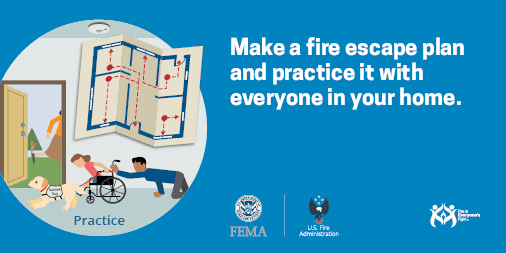
Practicing escape plans at home helps families react quickly and safely in the event of a fire.
Create and Practice Your Plan: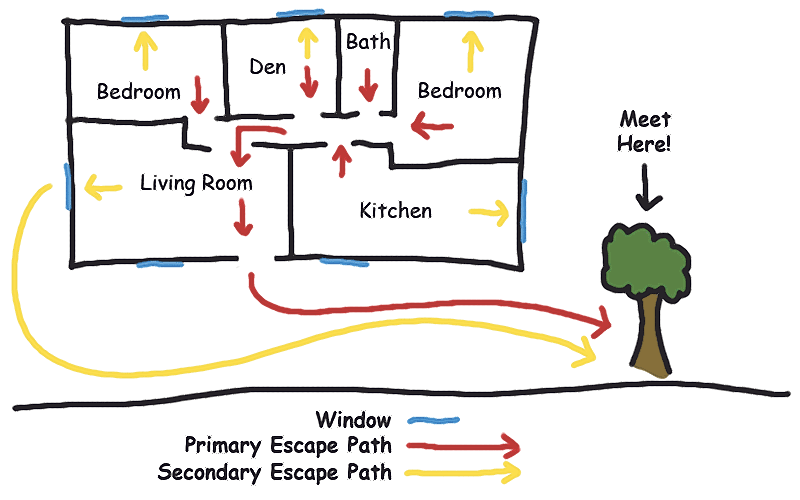
-
Draw a floor plan showing all doors and windows.
-
Identify two exits from every room.
-
Choose a safe meeting place outside the home.
-
Install smoke alarms on every level and outside each sleeping area.
-
Test alarms monthly and change batteries at least once a year.
-
Practice the escape plan twice a year—day and night.
-
Make sure windows open easily and security bars are equipped with quick-release mechanisms.
-
Never go back inside a burning building—call 9-1-1 from outside.
Escape planning saves lives. Make sure every household member knows the plan and their role in an emergency.
Children’s Fire Safety
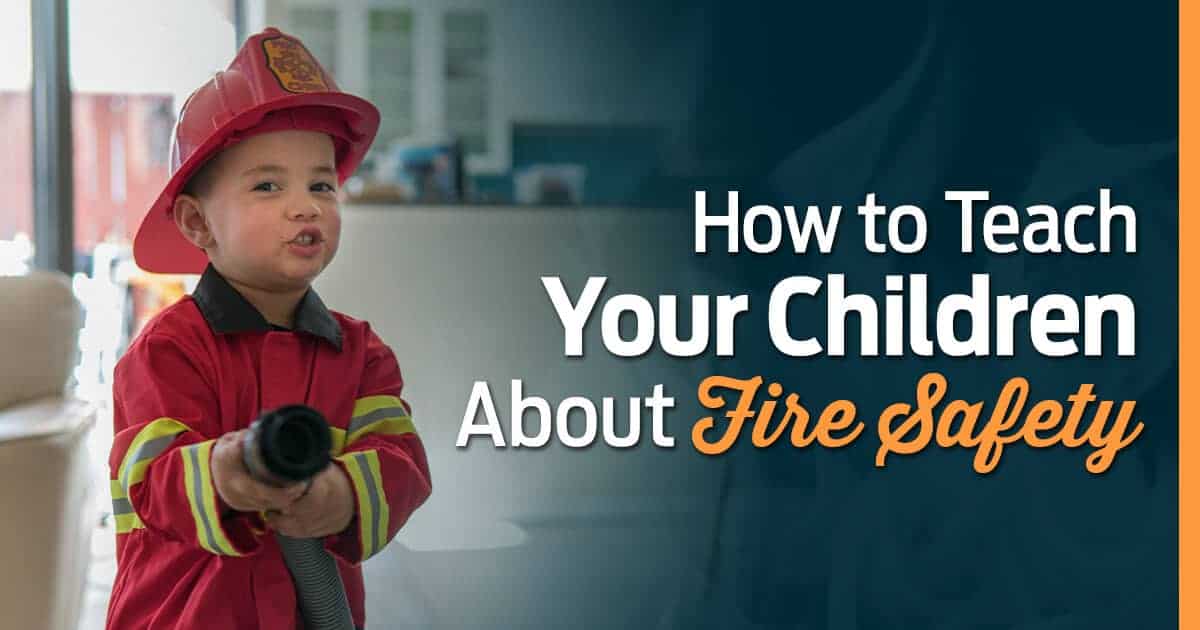
Children are especially vulnerable during fires. Teaching them fire safety early helps prevent accidents and ensures they know how to respond.
Fire Safety for Kids:
-
Teach children never to play with matches, lighters, or electrical devices.
-
Show them how to recognize the sound of smoke alarms.
-
Practice “Stop, Drop, and Roll” in case clothing catches fire.
-
Help them learn how to crawl low under smoke.
-
Make sure they know how to unlock doors and open windows if safe to do so.
Include children in fire drills and make safety discussions a routine part of family life.
Elderly and Mobility-Challenged Fire Safety
Older adults and people with disabilities may need additional support to stay safe during a fire emergency.
Recommendations:
-
Install smoke alarms with flashing lights and vibrating alerts if needed.
-
Ensure clear, uncluttered escape paths throughout the home.
-
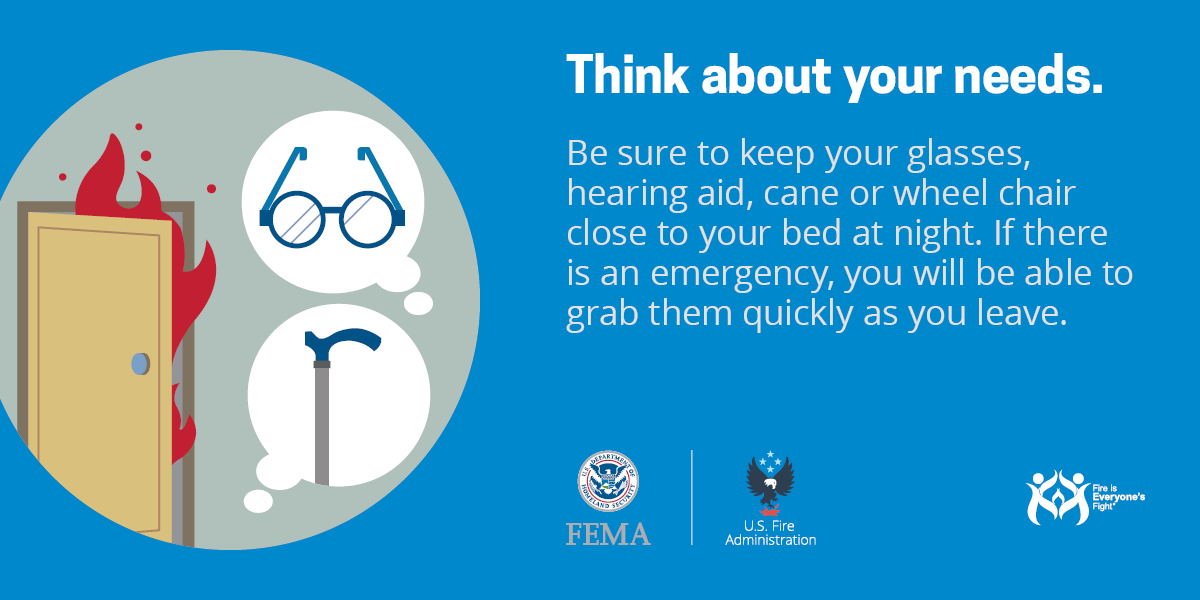
Keep mobility aids close to the bed or primary living space.
-
Develop a plan that includes assistance from caregivers or family members.
-
Practice fire drills with consideration for speed, access, and any required support equipment.
Personalized escape plans are critical for individuals with limited mobility.
General Fire Prevention Tips
Simple habits and home improvements can significantly reduce the risk of fire.
Prevention Measures:
-
Install and maintain smoke alarms on every level of the home.
-
Keep flammable items away from space heaters and stovetops.
-
Use extension cords and power strips properly—avoid overloading outlets.
-
Turn off appliances when not in use, especially when leaving home.
-
Dispose of smoking materials safely.
-
Keep cooking areas clean and never leave food unattended on the stove.
Fire prevention starts with awareness and consistent safety practices.
Community Engagement & Support
Silver Spring Community Fire Company encourages active participation in community fire prevention efforts.
Local Initiatives:
-
Public education presentations at schools, senior centers, and community groups.
-
Distribution of smoke alarm checklists, battery safety guides, and E.D.I.T.H. planning tools.
-
Safe battery disposal and recycling events.
-
Free or low-cost home safety checks, including smoke alarm installation.
Fire safety is a shared responsibility. Our department is here to support residents through education, resources, and emergency response.
|

